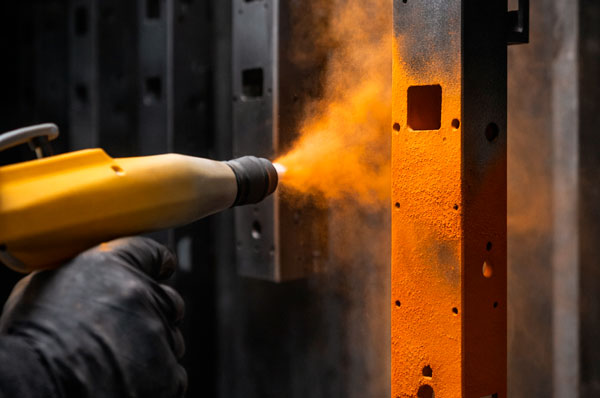
Powder coating provides a durable and uniform surface with strong resistance to mechanical wear and environmental impact.
The process creates an even coating thickness and allows a wide range of colours and surface structures.
Powder coating is typically used for:

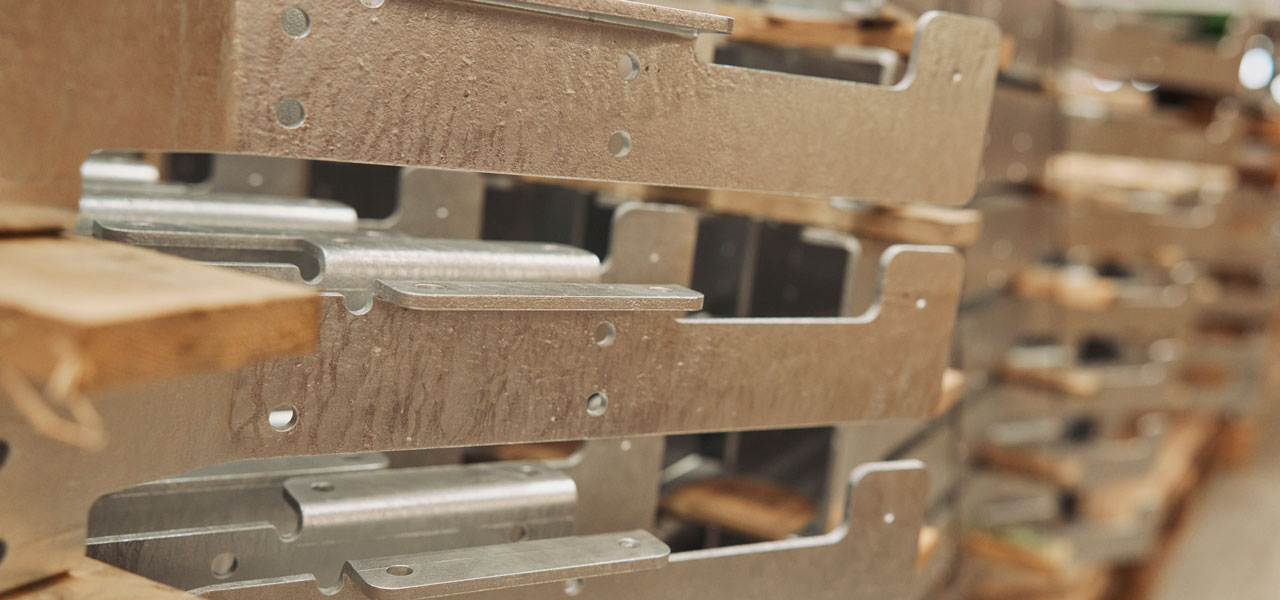
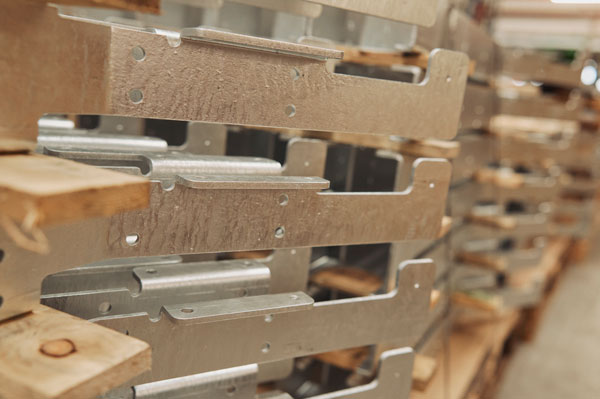
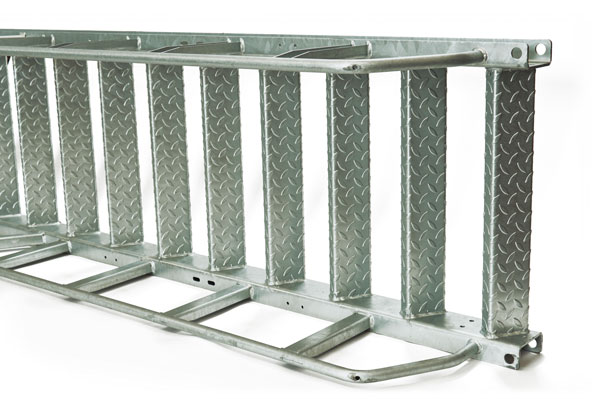
Hot-dip galvanizing provides strong corrosion protection by coating the steel component with a thick zinc layer.
The process is particularly suitable for components used in outdoor environments or in applications exposed to humidity and aggressive conditions.
The zinc layer protects both mechanically and electrochemically, ensuring long service life.

Electrogalvanizing is used where a thinner and more precise zinc layer is required.
The process provides good corrosion protection while maintaining tight tolerances and smooth surfaces.
Typical applications include precision components, brackets and parts where dimensional control is critical.

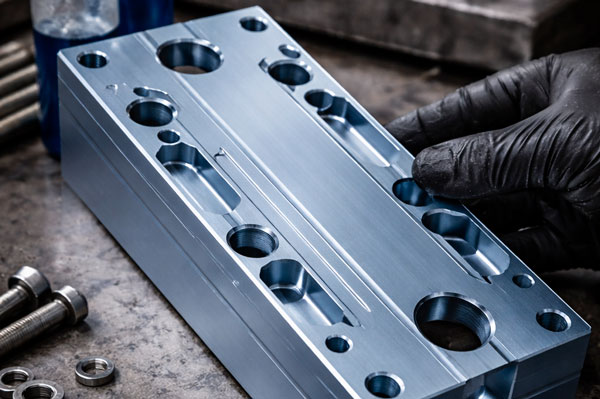
Anodizing is an electrochemical process that strengthens the natural oxide layer on aluminium.
This treatment improves corrosion resistance and surface hardness while maintaining the material’s lightweight properties.
Anodizing also provides decorative finishes and colour options.

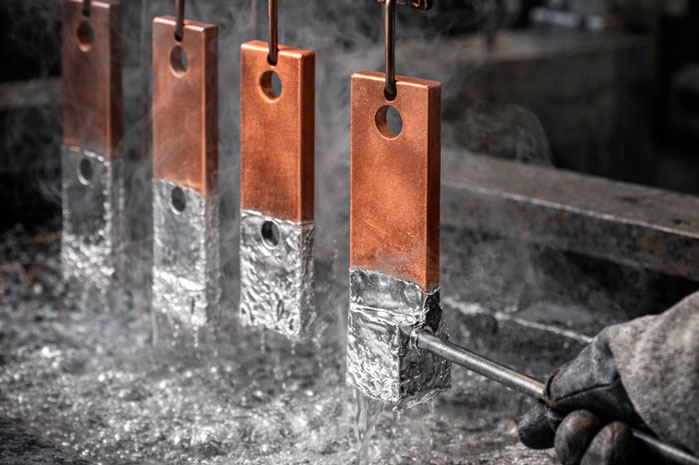
Tinning is commonly used on copper components to improve conductivity and corrosion resistance.
The process stabilizes the contact surface and protects copper against oxidation.
It is often applied to busbars and electrical connectors used in power distribution systems.

Some applications require specialized surface treatments to meet functional or environmental demands.
These treatments are selected according to project requirements and operating environments.
Corrosion classes describe the environments where steel components are used and the level of corrosion protection required.
Surface treatment must always be selected according to the environment where the component will operate.
ISO 12944 defines corrosion categories based on environmental conditions and expected corrosion stress.
C1 – Indoor environments
C2 – Low corrosion environments
C3 – Urban and light industrial environments
C4 – Industrial environments
C5 – Marine and aggressive environments
The correct surface treatment depends on the corrosion class and the specific requirements of the project.
CNC turning (3 units): max Ø450
CNC turning with robot (1 unit): max Ø250
CNC milling (5 units): max length = 4000 mm
CNC milling with robot (1 unit): max length = 800 mm
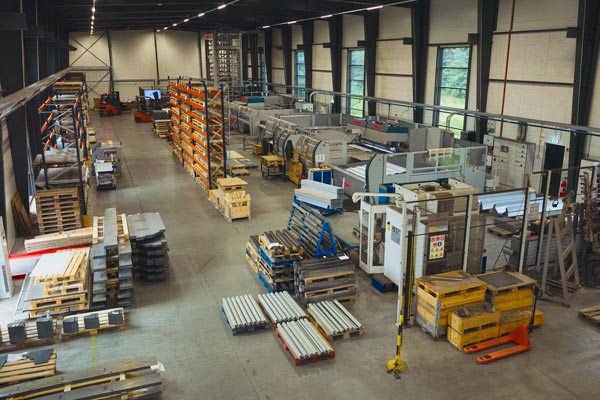
TORA A/S is a modern steel manufacturer with more than 30 years of documented experience. From precision components to complete production series, we deliver certified steel and metal components for wind energy and other demanding industries.

TORA has a long tradition of delivering high-quality products. This is largely based on the quality of the materials and components we source. TORA continuously evaluates suppliers to ensure competitive and reliable supply chains.

Get in touch
Reports & policies
About TORA